Quiet Light, Lasting Grace

Step into a world where gentle illumination shapes calm spaces without shouting. Today we explore lighting techniques that enhance understated elegance in interiors, revealing how layers, color, control, and placement work together to soften edges, honor materials, and invite deep comfort. Expect practical guidelines, human stories, and quietly powerful tools you can apply immediately, whether refining a living room or reimagining a boutique lobby. Share your questions, experiments, and photos as we learn to let light do less—and mean more.

The Essence of Subtle Illumination

Understated interiors rely on restraint, proportion, and an easy dialogue between light and material. Instead of flooding surfaces, we trace edges, respect shadow, and let the eye rest. We will prioritize vertical illumination for presence, low-level glow for intimacy, and concealed sources for calm. Along the way, you’ll find small, repeatable methods that reduce glare, reveal texture, and preserve quiet sophistication, all while supporting daily routines and welcoming conversation.

What Understated Really Means

It is the art of editing. Every lumen has a job; none performs tricks for attention. We avoid sparkle for sparkle’s sake, choose beams that graze rather than blast, and let warm pools guide movement. When finishes breathe and silhouettes remain legible, the space feels gracious, generous, and effortlessly composed, even when light levels are modest and the equipment remains almost invisible.

Reading the Room

Begin by mapping daylight, reflectance values, and sightlines. Note glossy hazards, favorite textures, and where people pause. Walls often deserve more light than floors, art needs angle, and seating wants glow without glare. Let architecture inform fixture positions and beam spreads, because disciplined placement turns ordinary fittings into soft-spoken companions that flatter skin, honor materials, and quietly support every activity from cooking to listening.

Layering Light with Poise
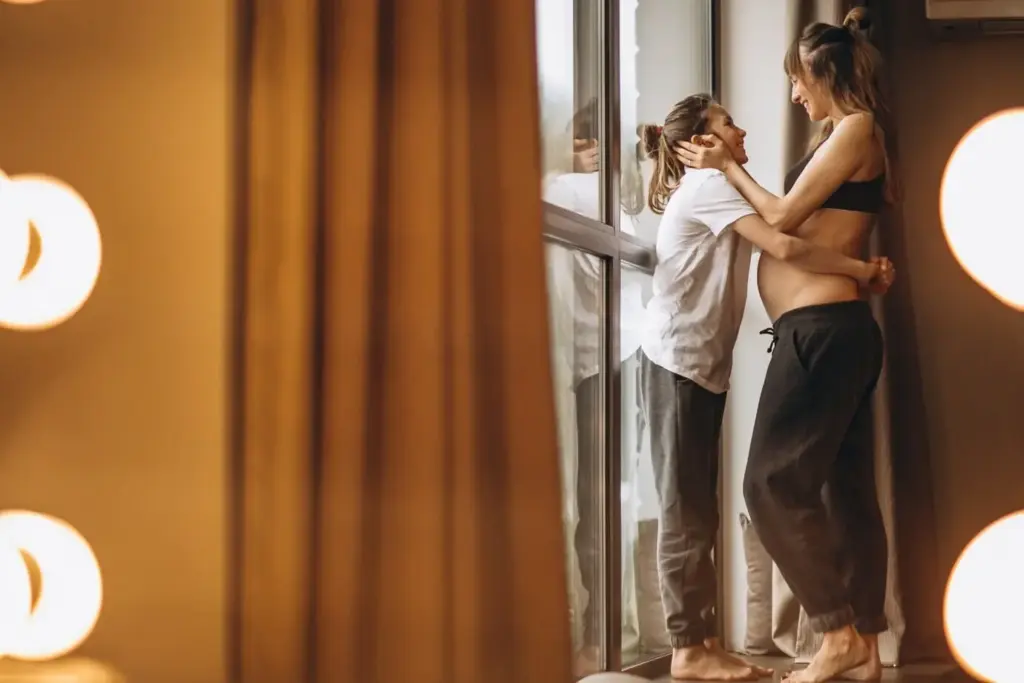
Layering is less about quantity and more about roles that cooperate. Ambient establishes safety and legibility, task supports actions, and accent shapes character. Keep luminaires few but purposeful, beams controlled, and sources concealed or softened. When layers overlap gently and dim together gracefully, rooms gain depth without noise, and personal rituals—reading, dining, pausing—find a supportive, calm stage that never competes for attention.

Ambient That Disappears

Favor indirect strategies—coves, uplights, or ceiling bounces—that paint surfaces rather than expose emitters. Target evenness without monotony, allowing slight gradients that feel natural and flattering. Aim for comfortable vertical brightness so faces read well, while keeping horizontal levels modest. The result feels airy and safe, yet mysteriously source-less, like gentle daylight returning after clouds part and the room remembers how to breathe again.

Task as Gentle Companion

Provide focused illumination only where hands, eyes, and tools gather. Low-glare desk lights, under-cabinet strips, and reading lamps with thoughtful beam control feel supportive rather than bossy. Calibrate output so contrast serves clarity, not spectacle. Adjustable positions, warm color, and tactile dimmers encourage personal control, which reduces stress and keeps the overall atmosphere hushed, balanced, and beautifully considerate of different ages and moods.

Accent That Whispers

Use slender beams to reveal craftsmanship, art, and botanical silhouettes. Limit brightness steps so attention feels invited, not commanded. Grazing stone, kissing timber, and skimming drapery with 20–30 degree angles creates relief without drama. Let a few pieces carry quiet emphasis while everything else retreats, producing meaningful hierarchy that guides the eye gently and builds a memory of serenity rather than spectacle.

Color, Tone, and Fidelity

Color temperature and color rendering profoundly shape calm interiors. Warmer whites flatter wood and skin; slightly neutral tones honor stone and metal. Seek high fidelity so materials stay honest without appearing clinical. Consider TM‑30 metrics alongside CRI to preserve subtle hues. By balancing 2700–3000K sources and avoiding jarring mismatches, you cultivate coherence that feels welcoming at night and quietly radiant by day.

Shadows, Contrast, and Glare

{{SECTION_SUBTITLE}}
Designing for Soft Contrast
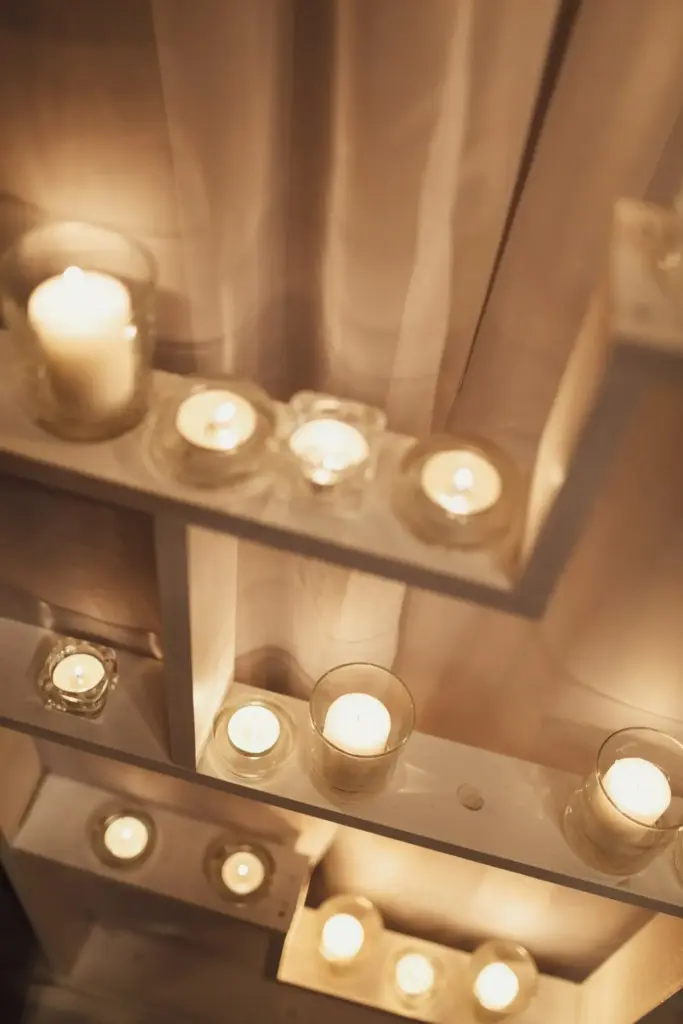
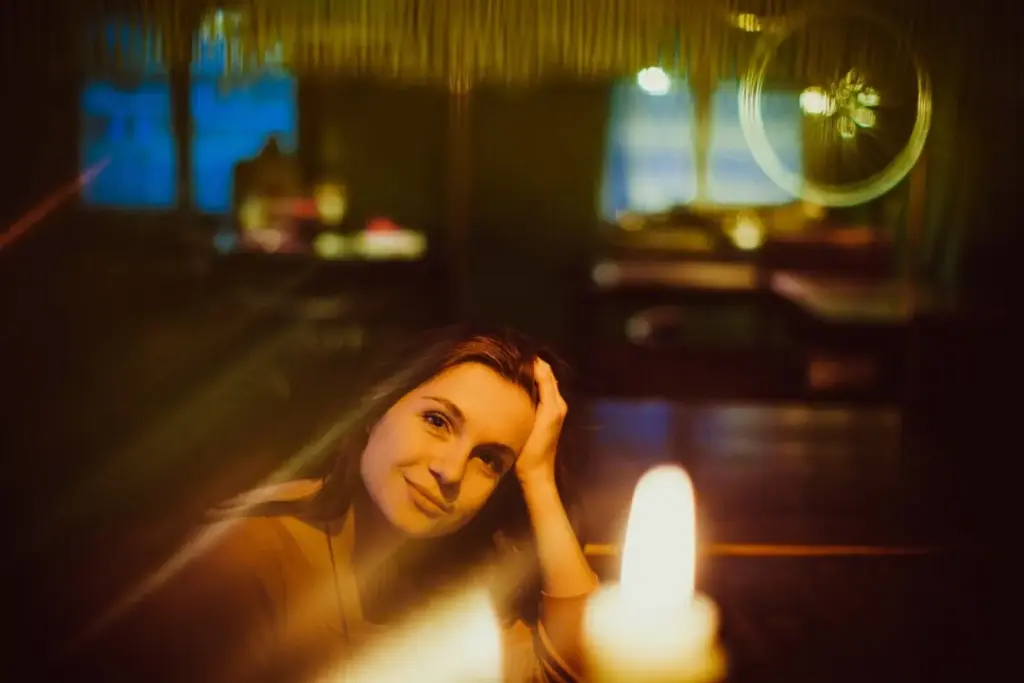
Favor a gentle 1:3 to 1:5 contrast between focal points and surrounding areas for restful legibility. Avoid sizzling hotspots that collapse depth. Lift walls slightly above floors, and let ceilings float with discreet uplight. This approach flatters skin, reduces visual fatigue, and nurtures attention, enabling intimate conversations and mindful work without the constant pressure of glaring brightness or restless, fidgety sparkle.

Mastering Glare

Luminaire position and optics matter more than raw power. Choose shielding angles of 30 degrees or greater, specify low-UGR distributions, and use louvers or microprismatic lenses to tame sparkle. Keep bright emitters outside common sightlines, especially across tables. People feel safer, eyes relax, and the entire room reads as considered rather than busy, replacing squinting with ease and invitation.

Scenes That Serve Life

Build a small set: Wake, Focus, Gather, and Unwind. Each carries distinct brightness ratios and color intent, yet all respect the room’s character. Gradual transitions protect mood and prevent jarring resets. When buttons are labeled clearly and defaults feel right, people actually use them, which sustains elegance daily instead of only during special visits from designers or photographers.

Dimmers That Truly Dim

Insist on drivers capable of smooth, flicker-safe dimming to 1% or below, measured with proper instruments. Warm-dim profiles maintain intimacy at dinner levels. Check compatibility charts and test loads before committing. Poor dimming ruins subtlety fast, while good curves feel like silk, encouraging longer evenings, better sleep wind-downs, and effortless transitions between concentration, gathering, and restorative, screen-free calm.

Placement, Fixtures, and Material Dialogue
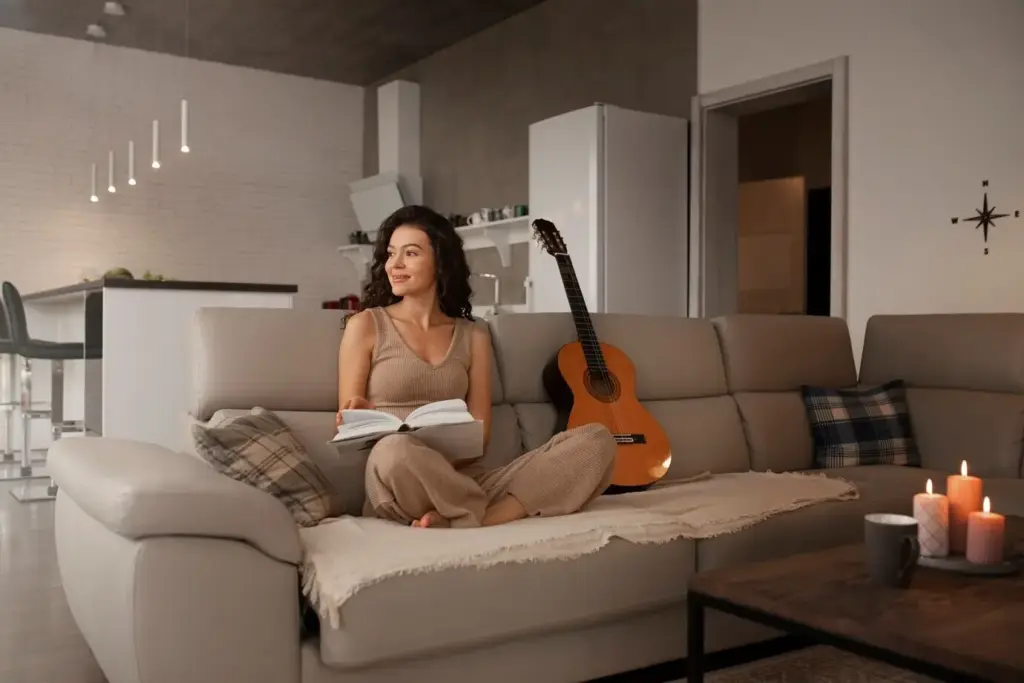
Discretion in hardware unlocks serenity. Choose trimless recessing, slender profiles, and finishes that recede into architecture. Let beams converse with surfaces: walls carry memory, ceilings carry sky, tables host stories. Thoughtful spacing, shielding, and offsets prevent scallops and glare. With small changes—aims, heights, distances—you refine atmosphere dramatically, achieving a feeling of crafted ease that reassures rather than impresses.
Rulanoveheluzuvi
Privacy Overview

This website uses cookies so that we can provide you with the best user experience possible. Cookie information is stored in your browser and performs functions such as recognising you when you return to our website and helping our team to understand which sections of the website you find most interesting and useful.